


Herbal KnowledgeMay 20, 2024
The Taste of Herbs
Sour
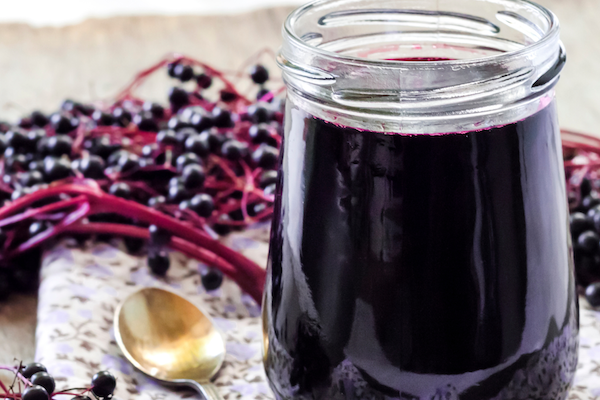
You can almost feel the pucker starting as soon as you hear the word! Sour tastes are often astringent and indicate the presence of an acid that contributes to the sour flavor, like citric acid in Lemons. Some examples of sour herbs are Hibiscus, Elderberry, Bilberry, and Amla.
Sweet
In herbalism, when an herb is described as sweet, it’s not quite the same as your favorite candy. It’s usually very subtle and could describe the aroma of the herb. Some examples of sweet herbs are Maca, Marshmallow, Fennel, and Licorice.
Salty
Here’s a fun fact! Did you know many salty-tasting herbs grow along or in the ocean? Common examples are Seaweeds and plants that absorb salt through their roots. Some other examples of salty herbs are Bladderwrack, Dulse, Glasswort, or Sea Bean.
Bitter
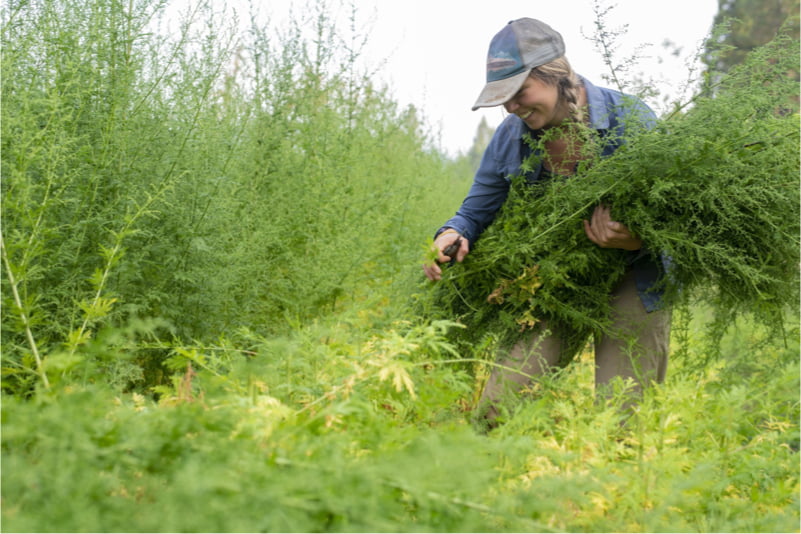
Bitter-tasting herbs are very interesting, so much so, we wrote a whole article about bitter plants and digestion! You may find yourself averse to bitter tastes, but this group of herbs is known for supporting the digestive system. Some examples are Gentian, Artichoke, Goldenseal, and Wormwood.*
Umami
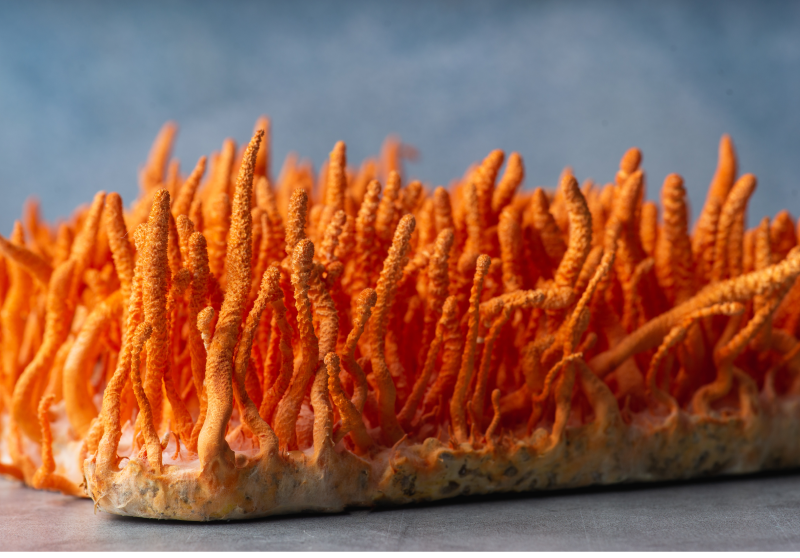
Umami is a rich, savory, or meaty flavor. It’s often referred to as “the fifth taste,” and has become a bit of a buzzword in the culinary scene. In herbalism, you’ll come across umami flavors in Garlic and mushrooms like Reishi, Shiitake, Maitake, and more.
Other Herbal Flavors of Note
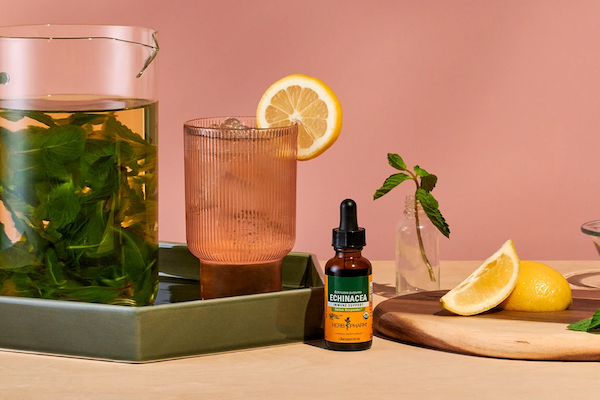
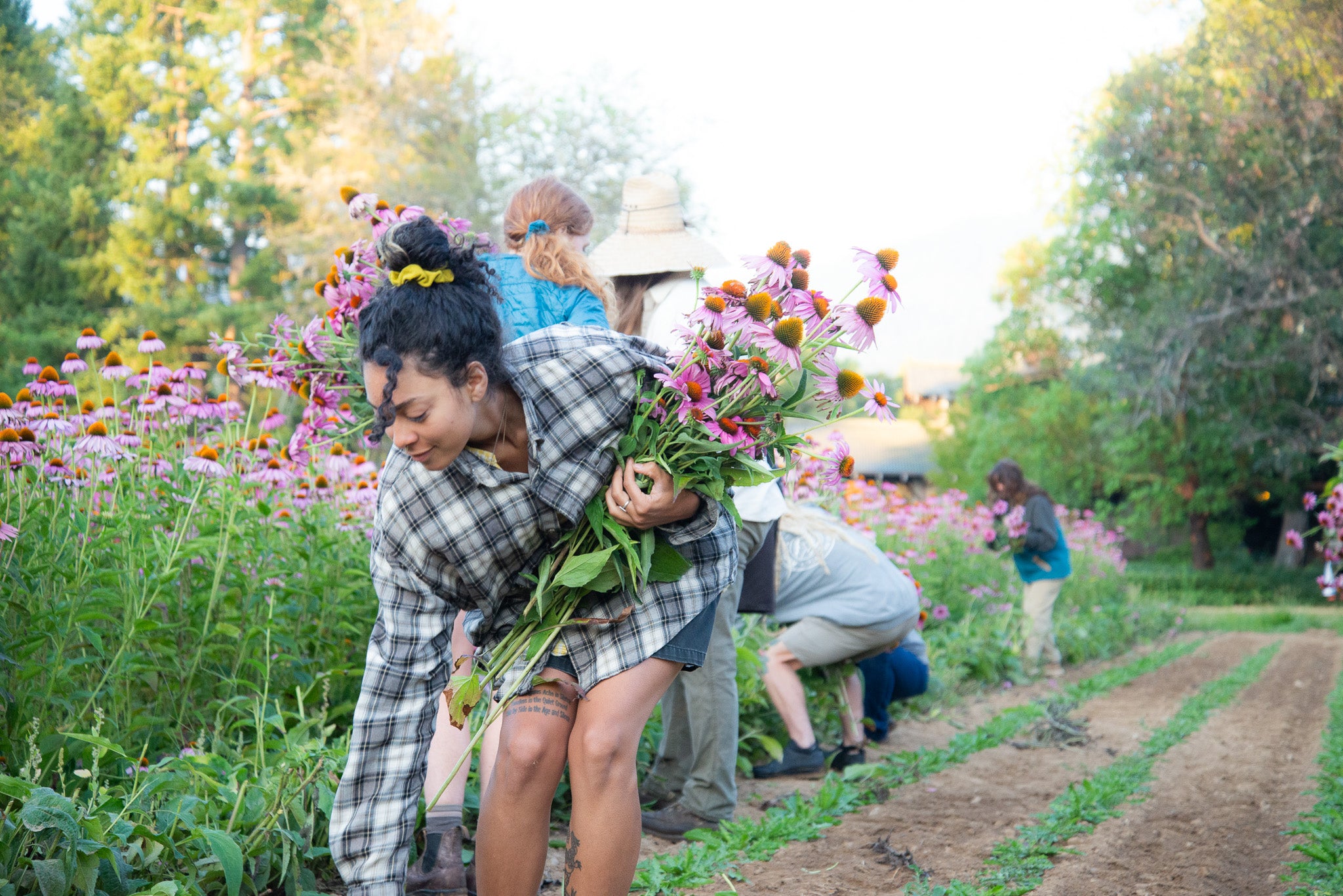
There are many other tastes you might come across when researching or trying liquid herbal extracts. Earthy flavors, like the taste of Echinacea, are often deep and mineral-like, reminding us of the soil. Pungent herbs, like Black Pepper, Ginger, and Turmeric, have a spicy, strong flavor. And unsurprisingly, some plants taste very herbaceous or vegetal, meaning they’re simply grassy, green, or almost vegetable-tasting. Some examples of that would be Chickweed or Oat.
Embracing Taste with Mocktails
Making mocktails is one of our favorite ways to let the unique natural flavors of our liquid herbal extracts shine. Just like our herbal products themselves, all of our mocktail recipes are formulated by herbalists. They include thoughtful blends of ingredients that still let you taste and experience the herb. If you’re in the mood to get creative in the kitchen, check out all of our herbal recipes here.
A Taste-Free Experience
Everyone has different likes, dislikes, and tolerance levels for things like taste, sounds, sights, and textures. We totally understand that taste can be a sensory struggle for some people! To get an idea of what one of our liquid herbal extracts tastes like, you can always check the “Flavor Profile” tab on the lower portion of our product page descriptions. That will give you cues like spicy, slightly sweet, bitter, etc. To mitigate the taste of some herbs, a serving can always be taken in at least 2 oz. of juice. Alternatively, you may also consider completely taste-free options like our new capsules.